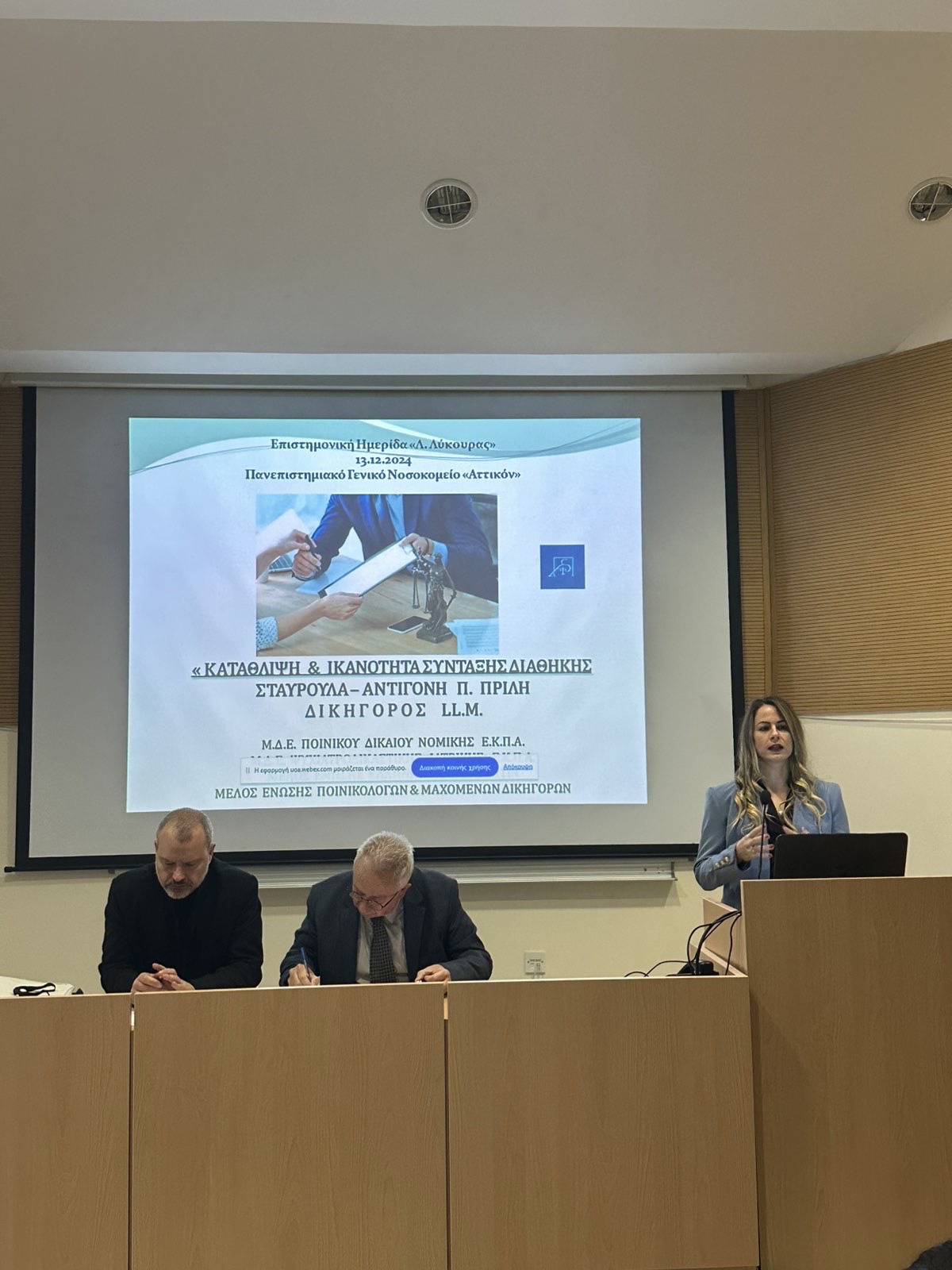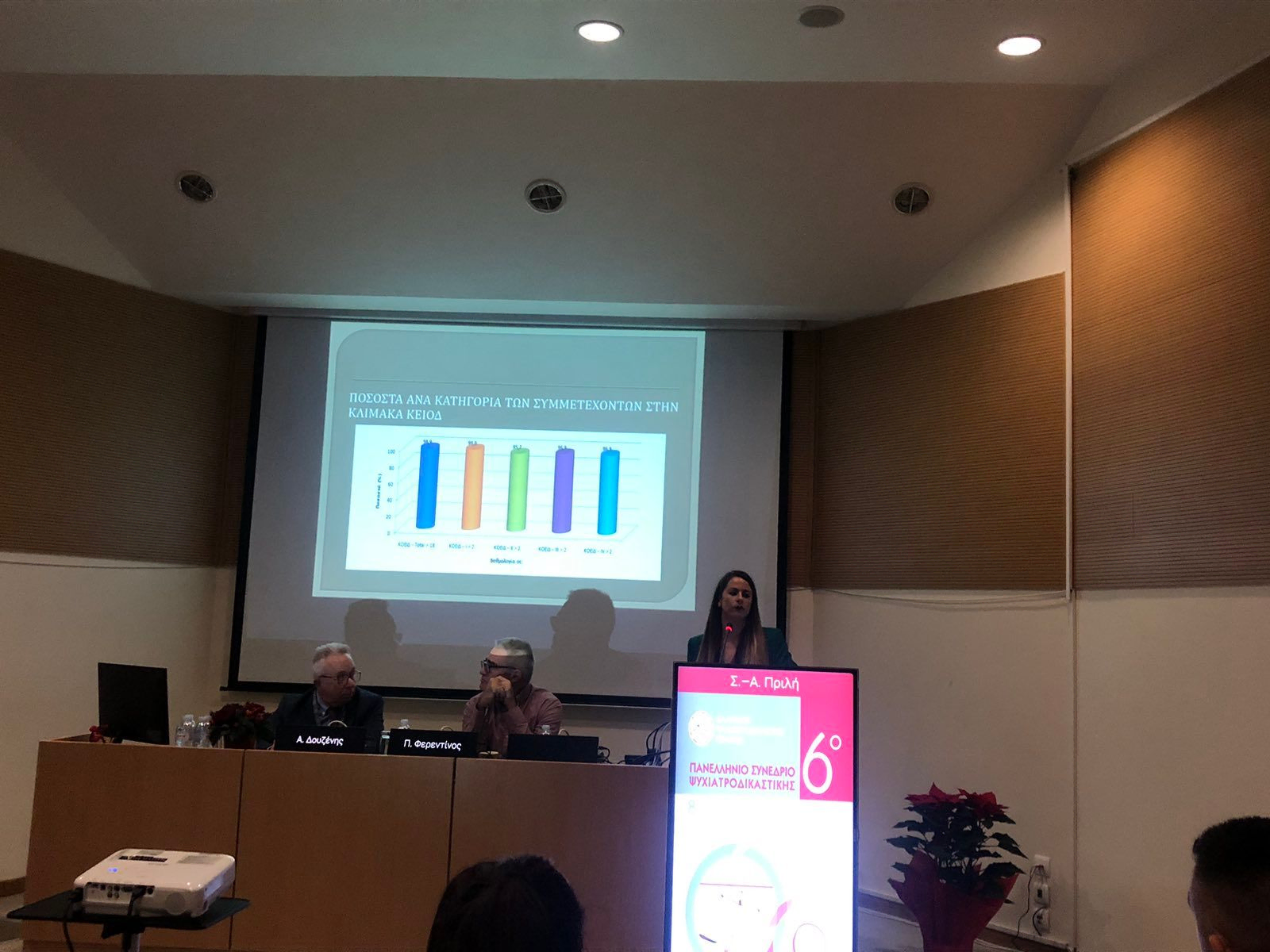
This presentation, based on the speaker’s postgraduate thesis at the Medical School of the National and Kapodistrian University of Athens (MSc in Forensic Psychiatry), explores the nuanced interplay between clinical depression and a person’s legal capacity to draft a valid will.
Purpose of the Research
The testator must possess the following faculties at the time of drafting a will:
- Memory and cognitive clarity,
- Accurate perception of their property’s value,
- Realistic understanding of their personal relationships,
- A clear and unaffected volition to allocate their estate accordingly.
Depression, being a prevalent psychiatric disorder, affects cognition, judgment, and decision-making abilities. This study aims to fill a gap in academic literature, where most research has focused on psychotic or neurodegenerative conditions, rather than depressive disorders.
Methodology
The research involved a dual approach:
- Legal Case Analysis:
Examination of 101 relevant Greek court rulings involving 107 wills (1999–2020), accessed via the legal databases Isokratis and NOMOS. - Psychometric Evaluation:
Distribution of validated tools to 100 adult participants:- Mini-Mental State Examination (MMSE)
- Capacity for Legal Financial Transactions Scale (CLFS)
- Geriatric Depression Scale (GDS)
Statistical correlations between the participants’ scores were assessed.
Key Findings
- Court Decision Analysis:
- 49.5% of wills were deemed valid by the courts.
- 48.3% of wills involving testators with psychiatric/neurological disorders were ruled invalid — a significantly higher proportion compared to those with purely somatic illnesses (36.1%).
- Only 2.8% of testators had a known history of clinical depression.
- 57.9% of testators had some form of mental health disorder.
- 26% of decedents had executed more than one will.
- Psychometric Results:
- 51.2% of participants exhibited severe depressive symptoms, and 46.5% showed mild symptoms.
- Those with severe symptoms scored significantly lower on financial competence and object valuation scales.
- Strong correlations were found between depressive symptom intensity and impaired financial judgment.
- However, no statistically conclusive evidence was found to completely disqualify depressed individuals from legal capacity based solely on depressive symptoms.
Conclusion
This interdisciplinary study—combining jurisprudential analysis with psychological assessment—reinforces the legal-medical consensus: a psychiatric diagnosis alone does not automatically negate a person’s legal capacity.
Further research is necessary to precisely evaluate how and when depression impacts testamentary capacity, particularly in marginal or borderline cases. Ongoing judicial evaluation and refined psychiatric tools are essential to ensure both legal fairness and protection of vulnerable individuals.
📌 This research contributes to the evolving field of forensic psychiatry and highlights the importance of nuanced assessment in estate and elder law.